
Our Approach
We follow the child. Montessori philosophy and te ao Māori show us how.
What guides us
Children are extraordinary learners
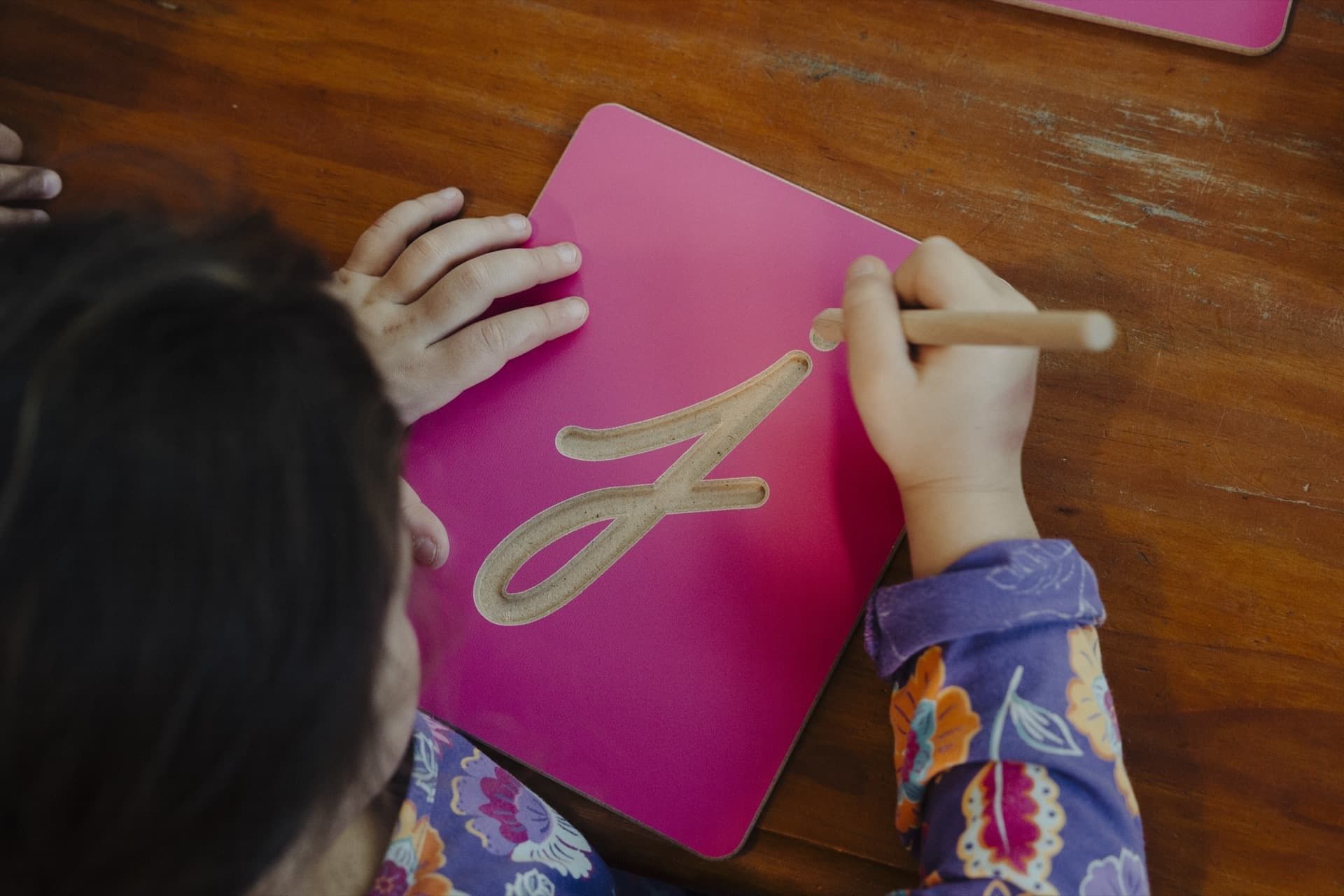
Children do not need to be made to learn. They need to be given the space, the materials, and the trust to do it themselves. This simple truth sits at the heart of everything we do at Triton. Our work is shaped by two profound understandings of how children grow. The first comes from Dr Maria Montessori. More than a century ago, she watched children closely and saw something that quietly transformed early education: when given a thoughtfully prepared environment and the freedom to choose meaningful work, children concentrate, persist, and teach themselves. Her method has held up across cultures and generations because it is built on what children are genuinely like, not on what adults sometimes imagine them to be. The second comes from te ao Māori, the Māori worldview that has shaped Aotearoa for generations. Whanaungatanga, the relationships and belonging that make a community whole. Mana, the inherent dignity of every person, including the youngest. Tuakana–teina, the natural mentorship between older and younger. These are not additions to our Montessori practice. They speak the same language, in different words. These threads, Montessori, te ao Māori, and Te Whāriki, Aotearoa's early childhood curriculum, are woven together in our daily practice. Each strand strengthens the others.
The three foundations
Three observations sit at the centre of Montessori thinking. They emerged from Dr Montessori's careful watching of children across many years and many cultures, and they remain just as true today. Each one shapes how we work at Triton.
The absorbent mind
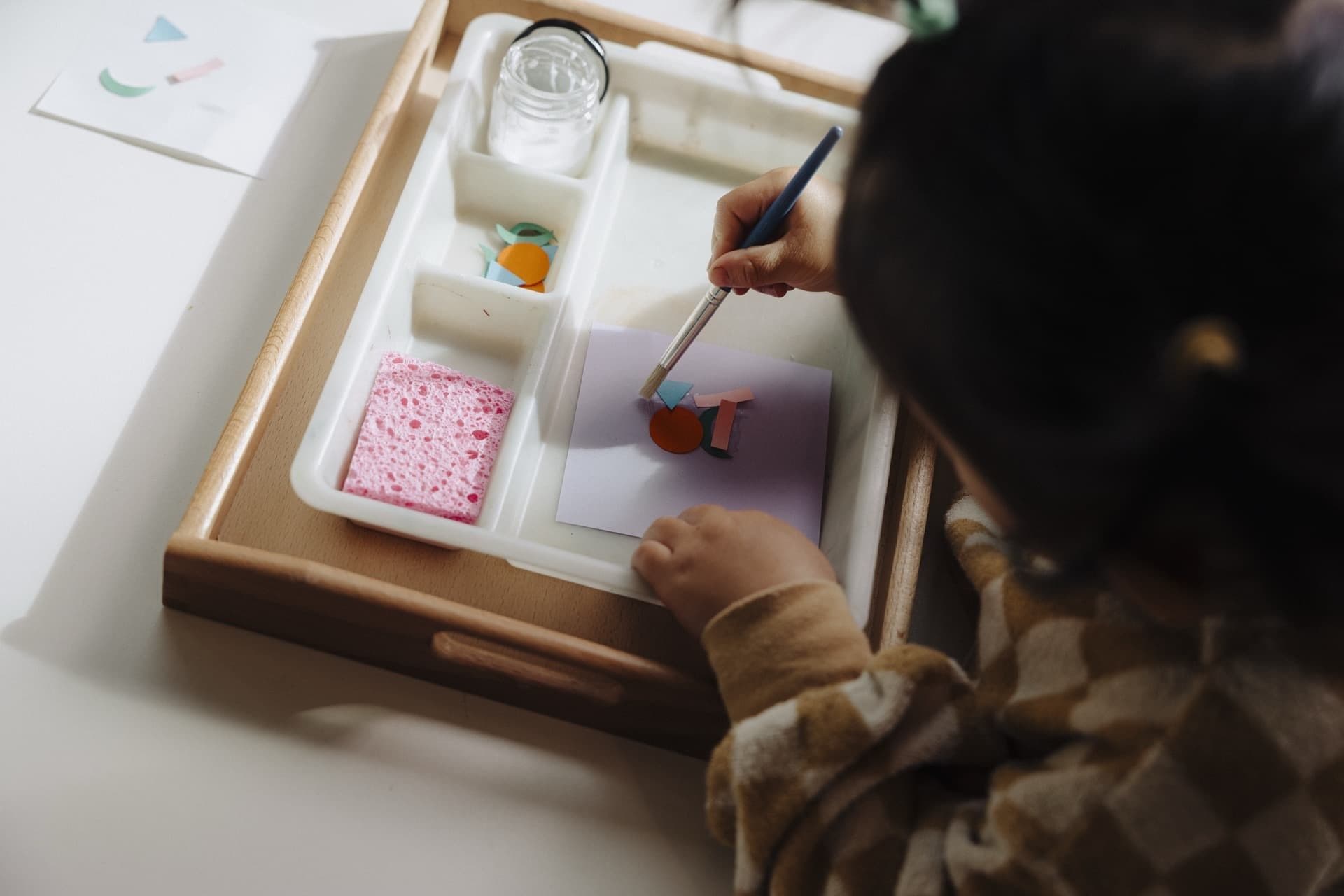
From birth to around six years, children possess what Dr Montessori called the absorbent mind. It's an extraordinary, almost unconscious capacity to take in everything around them. They are not learning the way an adult learns, by effort and study. They are absorbing language, movement, behaviour, the rhythms of family life, all of it directly and without effort, as naturally as breathing. This is why the early years matter so much. The environment a young child grows up in is not simply a backdrop to their learning. It becomes part of who they are. At Triton, this shapes everything from the materials we choose to the way teachers move through the room and speak with one another. Every detail is part of the lesson.
Sensitive periods
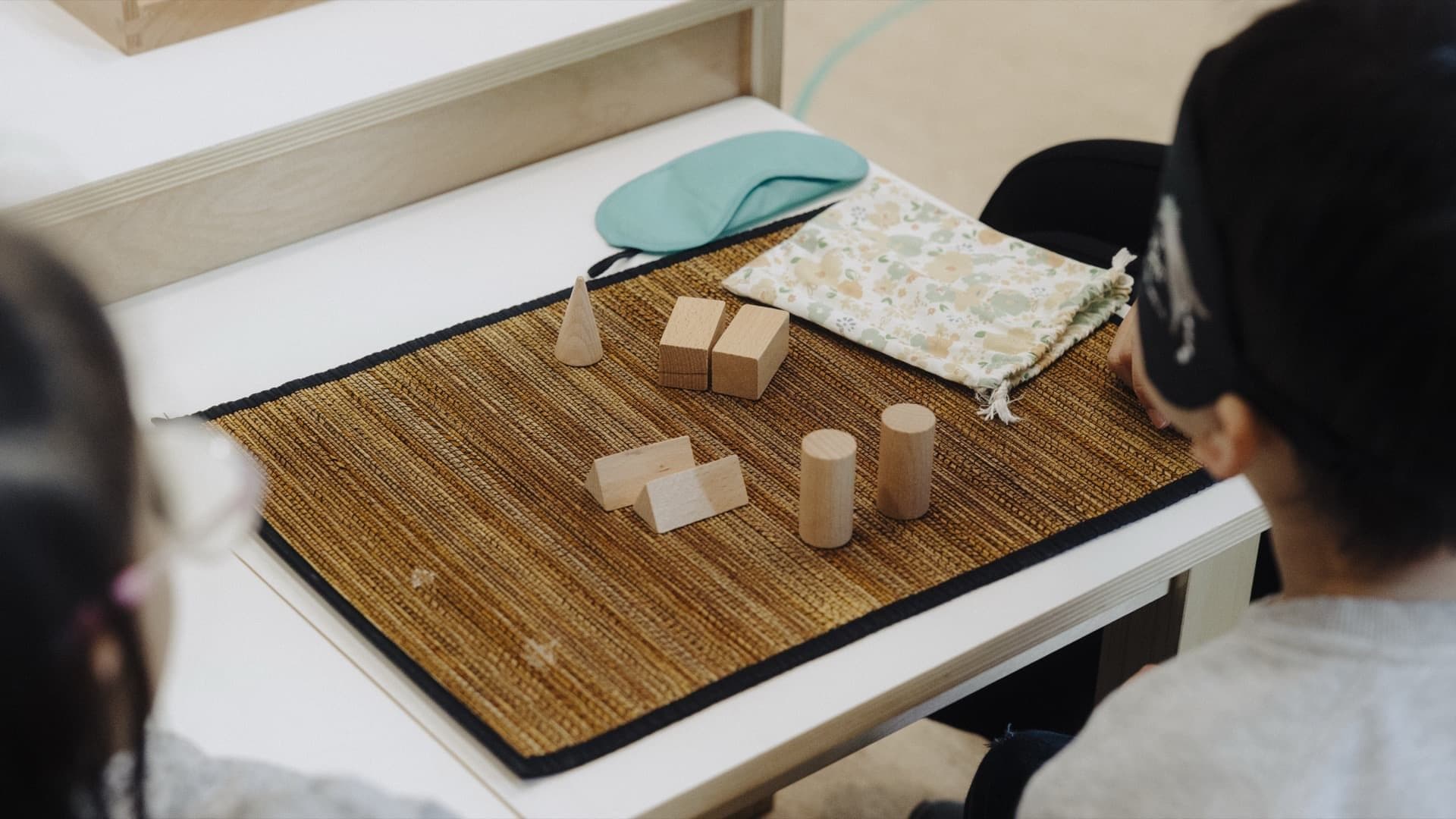
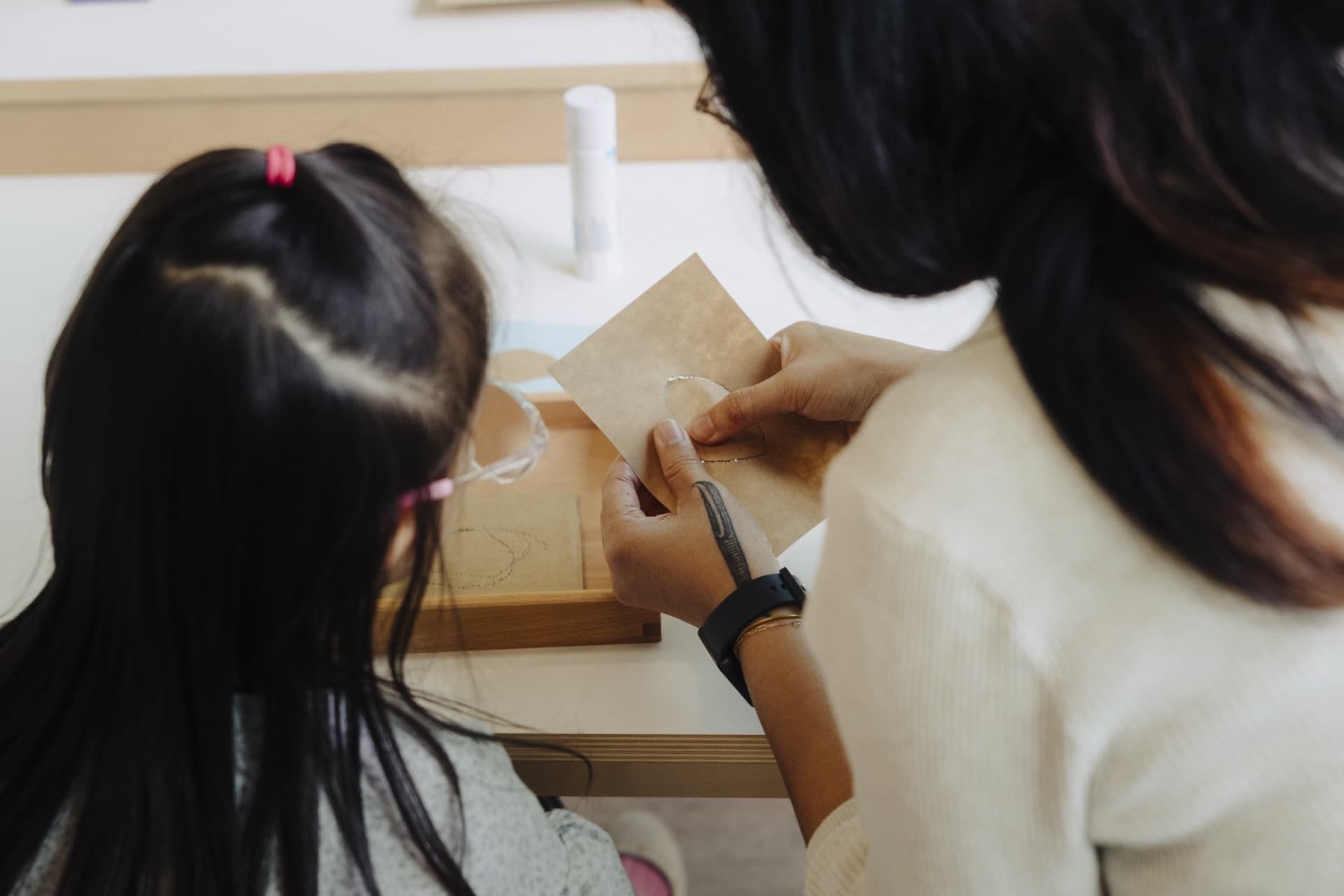
Alongside the absorbent mind, Dr Montessori observed that young children move through sensitive periods. These are windows of intense, almost magnetic interest in particular kinds of learning. During a sensitive period, a child returns to the same activity again and again, mastering it with remarkable ease. Once the window closes, the same skill becomes much harder to acquire. There are sensitive periods for movement, for language, for order, for refining the senses, and for social grace. A two-year-old lining up the same set of cars in the same way every morning isn't being fussy. They're deep in the sensitive period for order. Our teachers are trained to notice these moments and respond to them. When a child shows readiness for a new skill, we offer the lesson while the window is open. It's one of the reasons Montessori children so often look like they're teaching themselves.
Human tendencies
The third foundation is what Dr Montessori called human tendencies. These are the deep drives that all humans share, regardless of culture, era, or upbringing. We have an urge to explore. To make sense of where we are. To communicate. To work with our hands. To repeat, refine, and perfect. To be part of a group. You can see these tendencies in any of our tamariki, on any day. The toddler who wants to carry their own bag. The four-year-old who washes the same little dish six times because they're enjoying the doing of it. The child who quietly notices a new face at the gate before anyone else does. Where the absorbent mind tells us how young children learn, and sensitive periods tell us when, human tendencies tell us why. They are the engine underneath. At Triton, we trust these drives. We give children real work, real responsibility, and the time to do things properly. They rise to it, every time.
Where Montessori meets te ao Māori
Aotearoa is not a backdrop to our practice. It is the ground we stand on. Te ao Māori, the Māori worldview that has shaped this place for generations, runs through how we set up our rooms, how we speak with tamariki, and how we welcome whānau through the gate.
Whanaungatanga
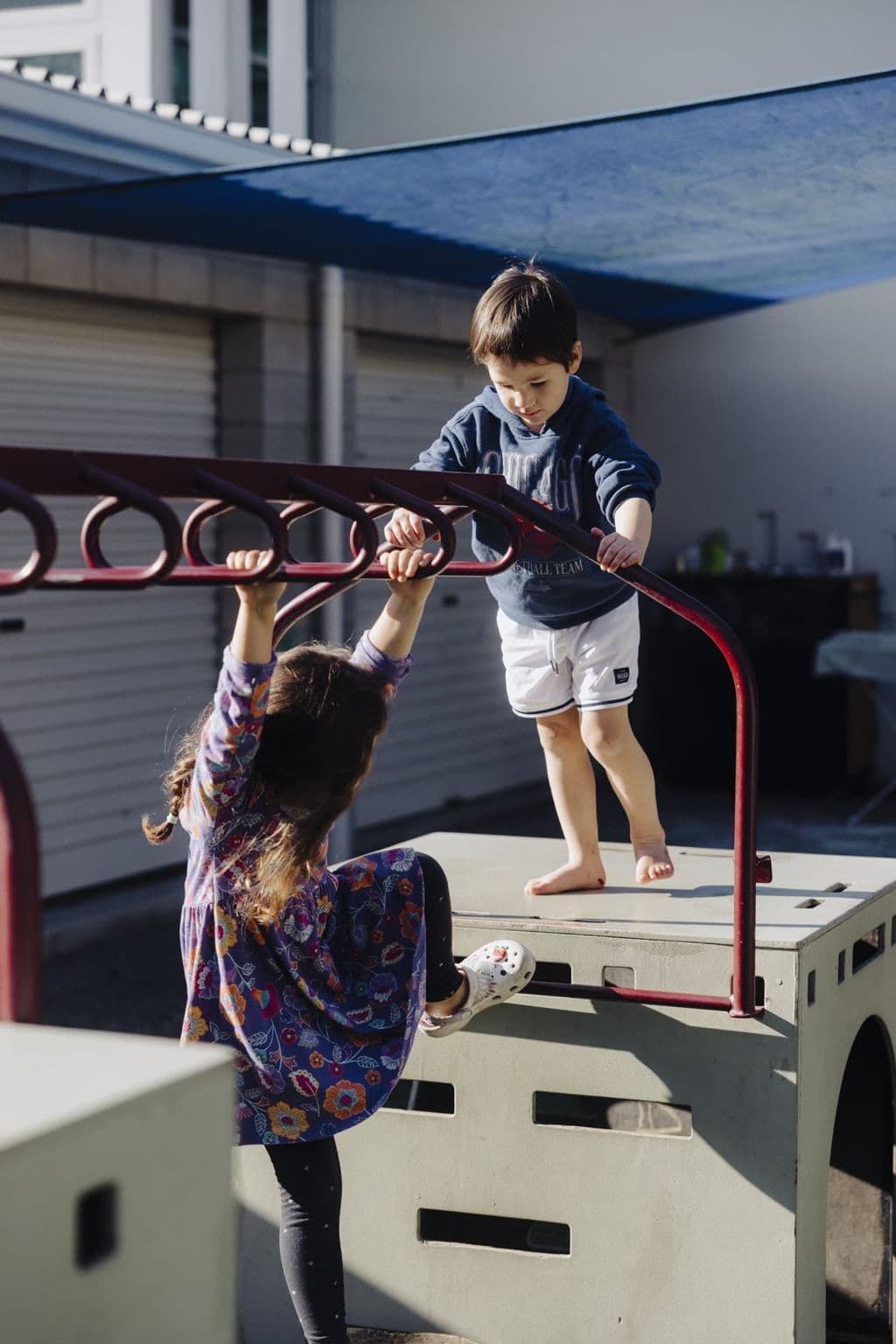
The relationships and belonging that make a community whole. A Montessori room is already, by design, a small community. Mixed-age groups, shared materials, children who know each other day after day. Whanaungatanga deepens this. It reminds us that every child arrives at Triton already belonging to a wider network of people, places, and stories, and that our work is to honour those connections, not replace them.
Mana
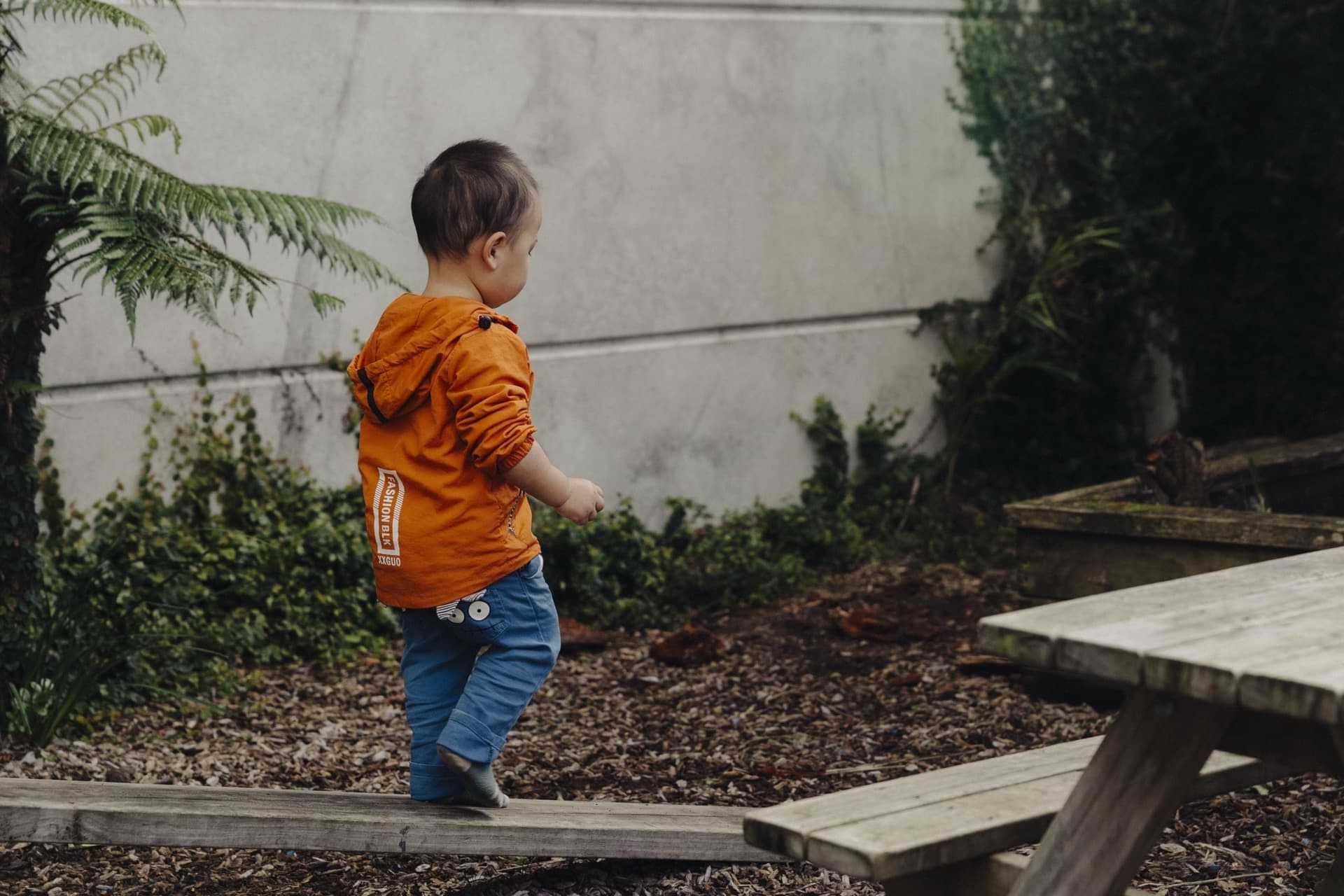
The inherent dignity of every person. In a Montessori room, mana is in the small things. A child being trusted to pour their own water. A teacher kneeling down to listen rather than standing above. A two-year-old being addressed by name, not by category. Children sense their own mana when the adults around them treat it as already there.
Tuakana–teina
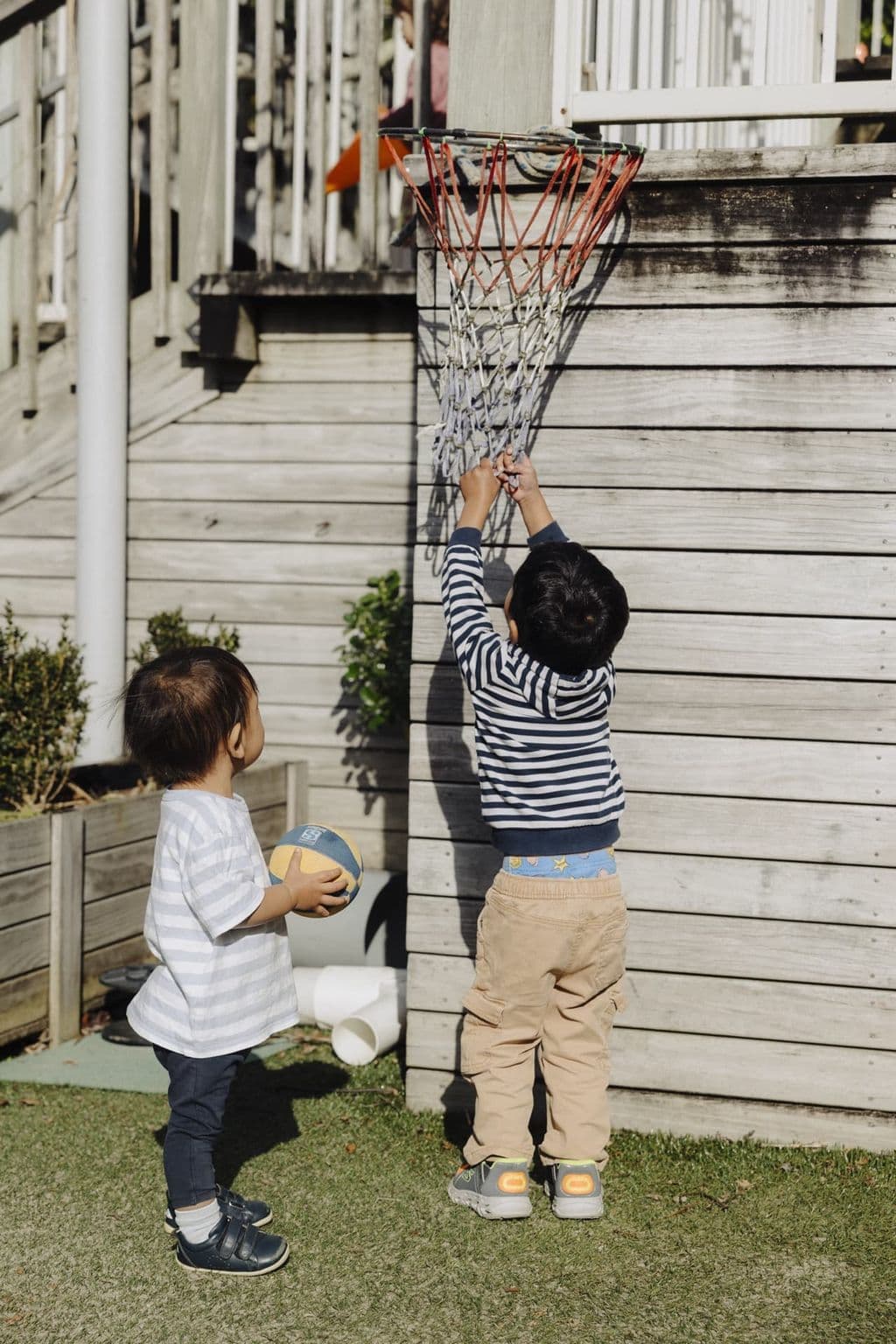
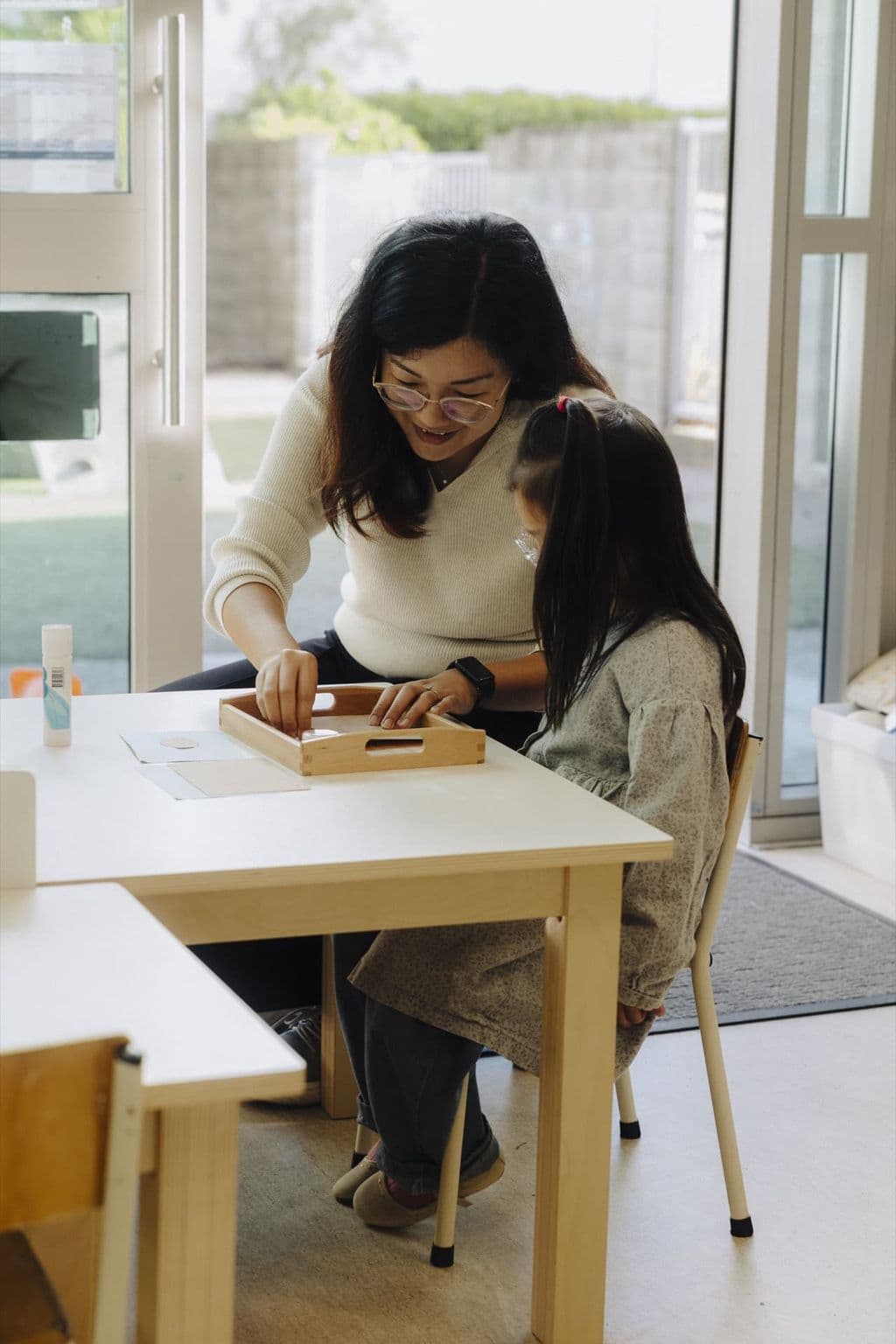
The natural mentorship between older and younger. This is one of the most beautiful overlaps between Montessori philosophy and te ao Māori. The mixed-age room is not just a Montessori principle, it is tuakana–teina in practice. A four-year-old showing a younger child how to roll a mat. A toddler watching, then trying. The older child grows in confidence by helping. The younger one learns by watching someone they admire.
Manaakitanga
Care, hospitality, the way a place welcomes you in. Manaakitanga is what a parent feels when they walk in and the room is ready for their child, not just tidy, but prepared. It's in the food at lunchtime, the warmth of the greeting, the small gestures that say you are expected here, you are welcome here. We see the prepared environment of Montessori and the practice of manaakitanga as the same thing in different words. These are not decorations or borrowed ideas. They are part of how we work, every day.
What this looks like in our rooms
Walk into a Triton room and you might not see what you expect a classroom to look like. You won't see rows of desks or a teacher at the front. You won't hear a bell ringing every half hour. You won't see children all doing the same thing at the same time. Instead, you'll see tamariki spread across the room, each absorbed in something different. One child working with golden bead material on a small mat. Two friends reading a book together on the couch. A toddler carefully pouring water from one little jug into another, again and again. A teacher quietly observing, waiting for the right moment to step in.
Some of the things that shape a Montessori day at Triton
A prepared environment
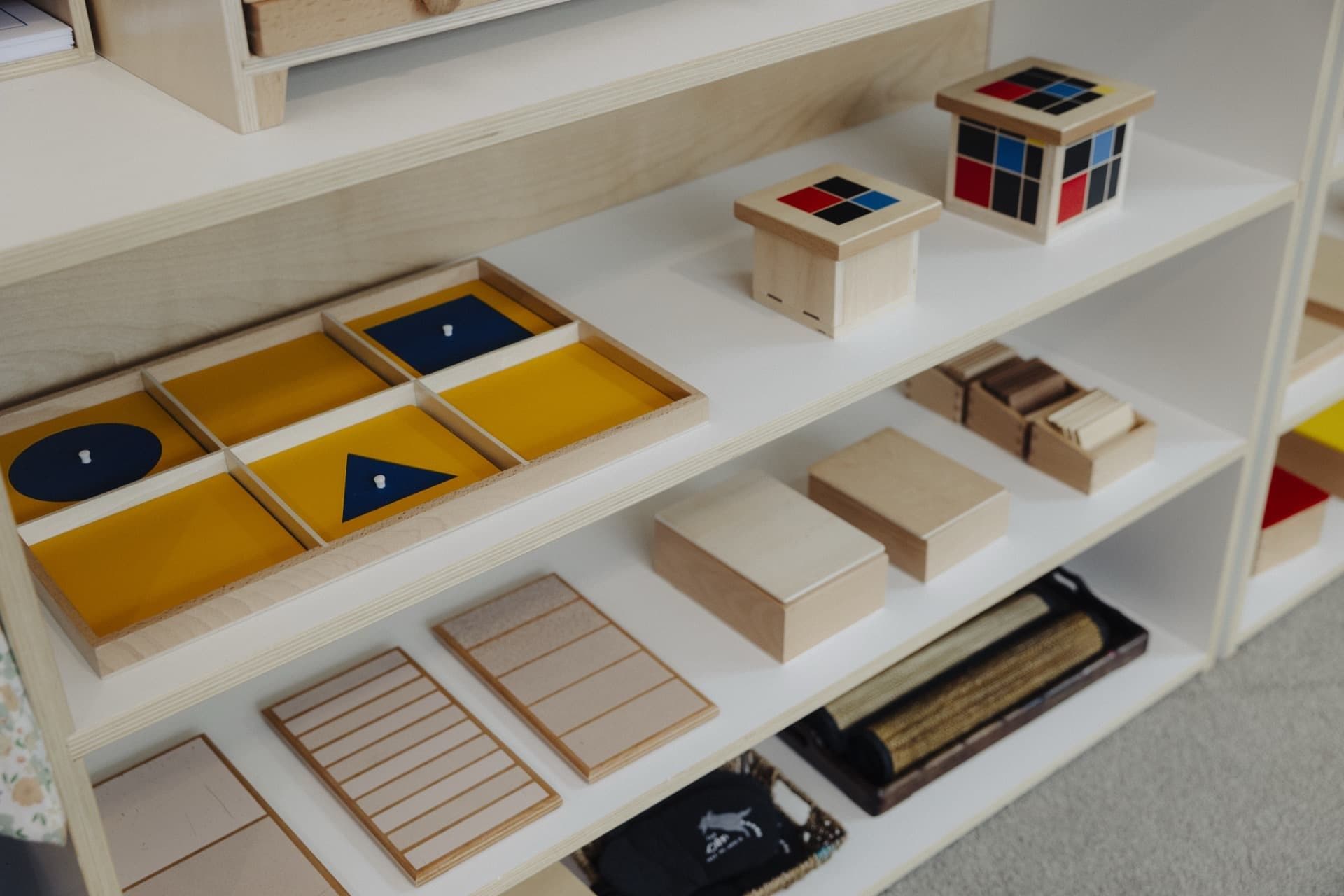
Every shelf, material, and tool is chosen and placed deliberately, at child height, ready for hands to find.
Long, uninterrupted work cycles
Children have real time to choose work, return to it, and go deep. Concentration is not rushed.
Mixed-age groupings
Older children mentor younger ones, and younger ones learn by watching. The room functions as a small community.
Observation-led teaching
Kaiako spend time watching before they teach. Each lesson is offered when the child is ready for it, not before.
Real work, real responsibility
Children pour their own drinks, wash their own dishes, help prepare kai. The work of looking after themselves and each other is part of the curriculum.
A sense of calm purpose
Children who are busy, but not rushed. Quiet, but not silent. Engaged in something that matters to them.
The best way to understand Montessori is to see it.
Words on a page can only take you so far. Come and visit Triton. Spend a little time in the rooms. Watch the tamariki at work. Talk to our kaiako. You'll see in twenty minutes what a website cannot show you.